
- Home
- Services
- Graphic Design & Branding
- Marketing Materials
Marketing Materials
Marketing Materials
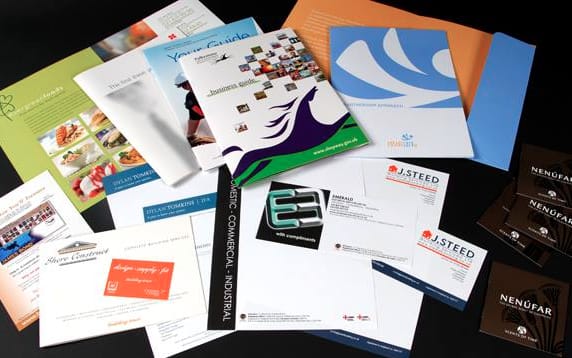
Marketing materials are the printed and digital assets that help businesses communicate their message, attract customers, and build brand recognition. From business cards and brochures to social media graphics and email templates, these tools shape how your audience perceives your company at every touchpoint.
Choosing the right formats and ensuring consistent quality across all your materials can feel overwhelming, especially when you’re juggling multiple campaigns or preparing for a major event. This guide covers the types of marketing materials available, how to select the right ones for your goals, and what makes the difference between materials that get noticed and materials that get tossed.
What Are Marketing Materials?
Marketing materials are the printed and digital assets businesses use to communicate with customers, promote products, and build brand recognition. For professional marketing materials, top providers offer custom printing for everyday items like business cards, brochures, flyers, and postcards. You’ll also find digital options like social media graphics, email templates, and downloadable PDFs. The common thread? Every piece exists to help your audience understand who you are and what you offer.
You might hear people use “marketing materials” and “marketing collateral” interchangeably. The terms mean roughly the same thing in most business conversations. What actually matters is that each piece, whether it’s a rack card sitting in a hotel lobby or a banner ad running on LinkedIn, looks and sounds like it came from the same company.
Building a strong brand typically requires a mix of both digital assets and physical collateral. A trade show booth with professional banners creates one kind of impression. A well-designed email sequence creates another. When both reflect the same visual identity and messaging, your audience starts to recognize and remember you.
Types of Marketing Materials
Print Marketing Materials
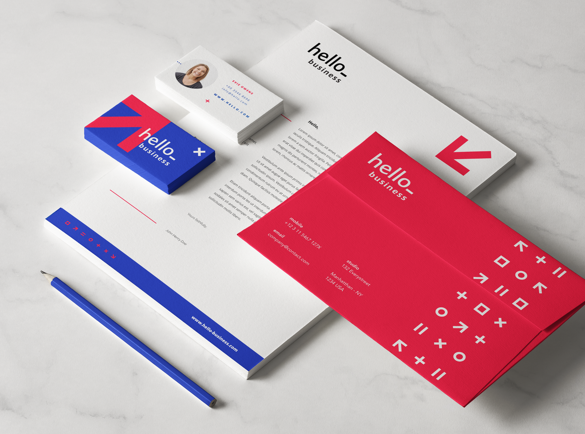
Print materials have been around for decades, and they’re still a staple for trade shows, direct mail campaigns, and face-to-face sales conversations. Here are the formats you’ll encounter most often:
- Business cards: A pocket-sized introduction to your brand that people can take with them.
- Brochures: Folded documents that give you room to explain services, products, or company background in more detail than a single page allows.
- Flyers: One-page handouts designed to communicate a single message quickly.
- Postcards: Compact cards that work well for direct mail, event invitations, or promotional announcements.
- Presentation folders: Professional enclosures that hold proposals, contracts, or welcome packets together.
- Rack cards: Tall, narrow cards often displayed in lobbies, visitor centers, or retail spaces where people browse while waiting.
- Banners and signage: Large-format prints for events, storefronts, or trade show booths.
Each format serves a different purpose. A brochure gives you space to tell a longer story. A flyer gets one message across fast. Knowing when to use which format saves money and improves results.
Digital Marketing Materials
Digital assets let you reach people beyond physical spaces. They’re also easier to update when information changes. Common formats include:
- Social media graphics: Branded images and short videos sized for platforms like LinkedIn, Instagram, or Facebook.
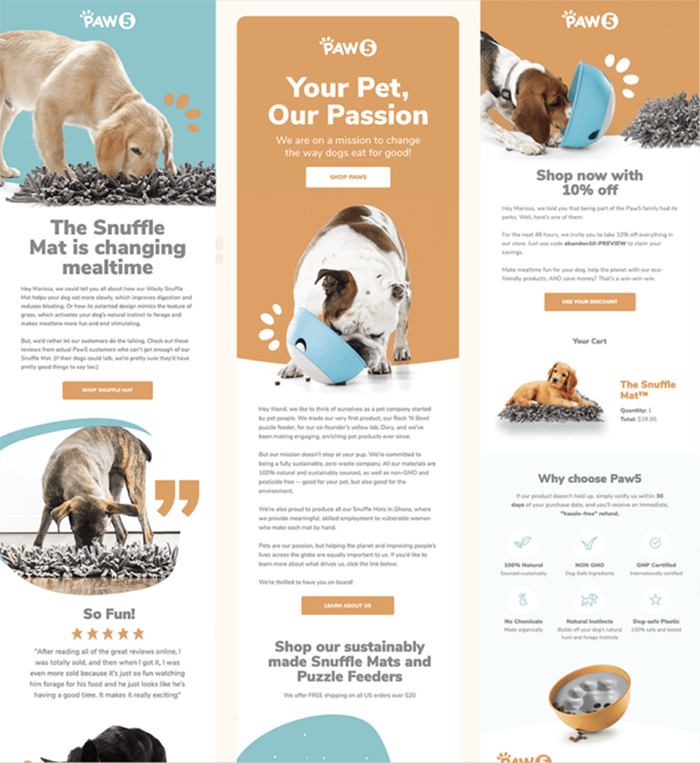
- Email templates: Pre-designed layouts for newsletters, promotions, or company announcements.
- Digital ads: Banner ads, display ads, and sponsored content for online campaigns.
- Downloadable PDFs: Whitepapers, case studies, or product sheets that prospects can save and reference later.
The line between print and digital continues to blur. A brochure design can become a downloadable PDF. A trade show banner can feature a QR code linking to a video. Thinking of print and digital as separate categories often limits what’s possible
Campaign Planning and Strategy
Purpose and Goals: Define the objectives of your marketing materials, such as increasing brand awareness or generating leads.
- Target Audience: Identify the audience for each type of material and tailor the content accordingly.
- Distribution Channels: Plan how and where the materials will be distributed, whether through print, digital, or both.
- Budget: Provide guidance on budgeting for design, production, and distribution of marketing materials.
- Align with Branding: Ensure all materials reflect your brand’s identity, including colors, fonts, and logo usage.
- Focus on Clarity: Keep messaging clear and concise. Avoid clutter and ensure key information stands out.
- High-Quality Visuals: Use high-resolution images and professional design elements to enhance appeal.
- Include Calls to Action: Incorporate strong calls to action to guide the audience on the next steps.
At Churchill, we combine creativity with strategy to ensure that your marketing materials are not only beautifully designed but also serve a greater purpose—achieving your business goals. Let us help you create marketing collateral that drives engagement, strengthens your brand, and delivers measurable results.
How to Choose the Right Marketing Materials for Your Business
The right marketing materials depend on three things: your goals, your audience, and how you plan to distribute the materials. A law firm preparing for a networking event has different priorities than a restaurant launching a loyalty program. Before designing anything, it helps to answer a few questions.
Where will your audience encounter the material? A piece handed out at a conference serves a different purpose than one mailed to a home address. What action do you want people to take after seeing it? Visit a website, call a phone number, or remember your name for later? How does the piece fit into your larger marketing plan?
Business Goal | Recommended Materials | Common Use Case |
Generate leads at events | Business cards, brochures, banners | Trade shows, conferences, networking events |
Drive local awareness | Flyers, postcards, rack cards | Direct mail, community bulletin boards, local businesses |
Support sales conversations | Presentation folders, case studies | Client meetings, proposals, onboarding packets |
Build online engagement | Social media graphics, digital ads | Paid campaigns, organic social posts |
Nurture existing customers | Email templates, newsletters | Retention campaigns, product updates |
If you’re not sure where to start, think about which touchpoints matter most to your customers. A B2B company might prioritize presentation folders and LinkedIn graphics. A retail business might lean toward postcards and in-store signage. The goal is matching the format to the moment.
What Makes Marketing Materials Effective
Effective marketing materials do more than look professional. They communicate clearly, reinforce your brand, and prompt a specific action. Here’s what separates materials that work from materials that get ignored:
- Consistent branding: Colors, fonts, logos, and tone match your overall brand identity across every piece.
- Clear messaging: The reader understands the value within seconds, not minutes.
- Strong visuals: High-quality images and thoughtful design draw attention and build credibility.
- A specific call to action: Every piece tells the reader what to do next, whether that’s visiting a URL, calling a number, or scanning a QR code.
One common mistake is trying to say too much. A brochure packed with text and competing messages often gets set aside. Focusing on one primary message per piece, and letting the design breathe, typically produces better results.
Another mistake is inconsistency. When your business card uses one color palette and your brochure uses another, people notice. That inconsistency creates doubt about whether they’re dealing with a professional organization.
How Print and Digital Marketing Materials Work Together
Print and digital materials aren’t competing options. They’re partners in the same campaign. A well-planned marketing effort often uses both to reinforce the same message across multiple touchpoints.
Consider a direct mail postcard that includes a QR code linking to a landing page with a video. Or a trade show banner featuring a hashtag that drives social media engagement. Or an email campaign that teases a downloadable PDF hosted on your website. When print and digital work together, you create more opportunities for your audience to engage with your brand.
Tracking performance becomes easier when you build measurable elements into your materials from the start. Unique URLs, QR codes, and promo codes let you see which pieces drive the most response. That data helps you refine future campaigns and spend your budget more effectively.
Tip: Add a unique URL or promo code to every printed piece. Even a simple tracking mechanism makes it much easier to measure results and justify your investment.
How to Plan a Marketing Materials Campaign
Before designing anything, mapping out your campaign prevents wasted effort and ensures every piece serves a purpose. Here’s a framework that works for most projects:
Define your objective. Are you launching a new product, promoting an event, or building general brand awareness? Your objective shapes every decision that follows, from format selection to distribution channels.
Identify your audience. The tone, imagery, and distribution channels all depend on who you’re trying to reach. A campaign targeting C-suite executives looks and sounds different from one aimed at college students.
Select your distribution channels. Will you hand materials out in person, mail them directly, or share them digitally? Each channel has its own requirements for size, format, and design specifications.
Set a realistic budget. Factor in design, production, and distribution costs. Higher print quantities often reduce per-unit costs, but ordering more than you’ll use wastes money.
Align with your brand. Every piece, no matter how small, reinforces your brand identity. Using approved colors, fonts, and messaging guidelines maintains consistency across all touchpoints.
The planning phase often reveals gaps. Maybe you have great digital assets but nothing to hand out at events. Maybe your print materials look dated compared to your website. Identifying gaps early gives you time to address them before a deadline arrives.
Why Work with a Creative Agency for Marketing Materials
You can design marketing materials in-house or use an online template service. Both options work for certain situations. But working with a creative agency offers advantages that templates can’t match.
A dedicated team brings strategic thinking to the project, not just design skills. Before opening a design file, they’ll ask questions about your goals, audience, and brand. The result is materials that feel intentional and cohesive rather than generic.
Agencies also handle production logistics. They know which paper stocks photograph well, which file formats printers prefer, and how to prepare files for large-format output. That expertise saves time and prevents costly mistakes like discovering your colors look wrong after 5,000 brochures have already been printed.
At Churchill, we combine the production quality of a large media company with the responsiveness of a smaller team. Our clients, from local Memphis businesses to national brands like FedEx and Toyota, trust us to deliver materials that reflect their vision and meet their deadlines.
Frequently Asked Questions
What’s the difference between marketing materials and promotional materials?
The terms overlap significantly. Marketing materials typically refer to assets that communicate your brand message and support sales efforts, like brochures, business cards, and digital ads. Promotional materials often describe branded giveaways, like pens, tote bags, or T-shirts. In practice, many businesses use both terms to mean the same thing.
How do I know which marketing materials are right for my business?
Start with your goals and audience. If you attend trade shows regularly, invest in banners, business cards, and leave-behind brochures. If your customers are primarily online, prioritize social media graphics and email templates. A creative agency can help you audit your current materials and identify gaps.
Can Churchill handle both the design and production of marketing materials?
Yes. Our team manages projects from concept through final delivery. We handle graphic design, coordinate with printers, and oversee quality control so you receive materials ready to use.
How long does it take to produce custom marketing materials?
Timelines vary based on complexity and quantity. A simple business card order might take a week, while a full suite of trade show materials could take several weeks. We provide a realistic timeline during our initial consultation and keep you updated throughout the process.